



Interview
South Writ Large interviewed Paul Wizikowski about his work as a strategic space storyteller.
-
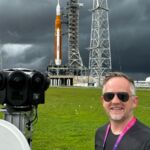
- Artemis 1 Launch Pad
-
- Artemis 1 Full 360 Crew

-

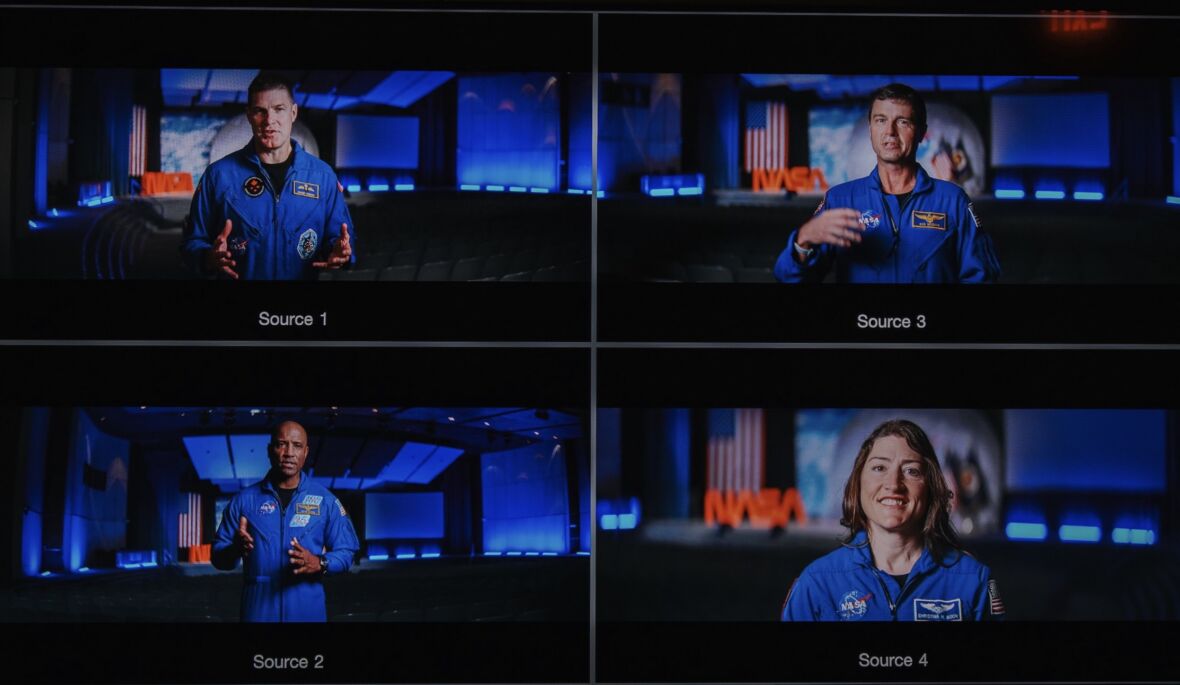
- Artemis 2 Crew Interview
-

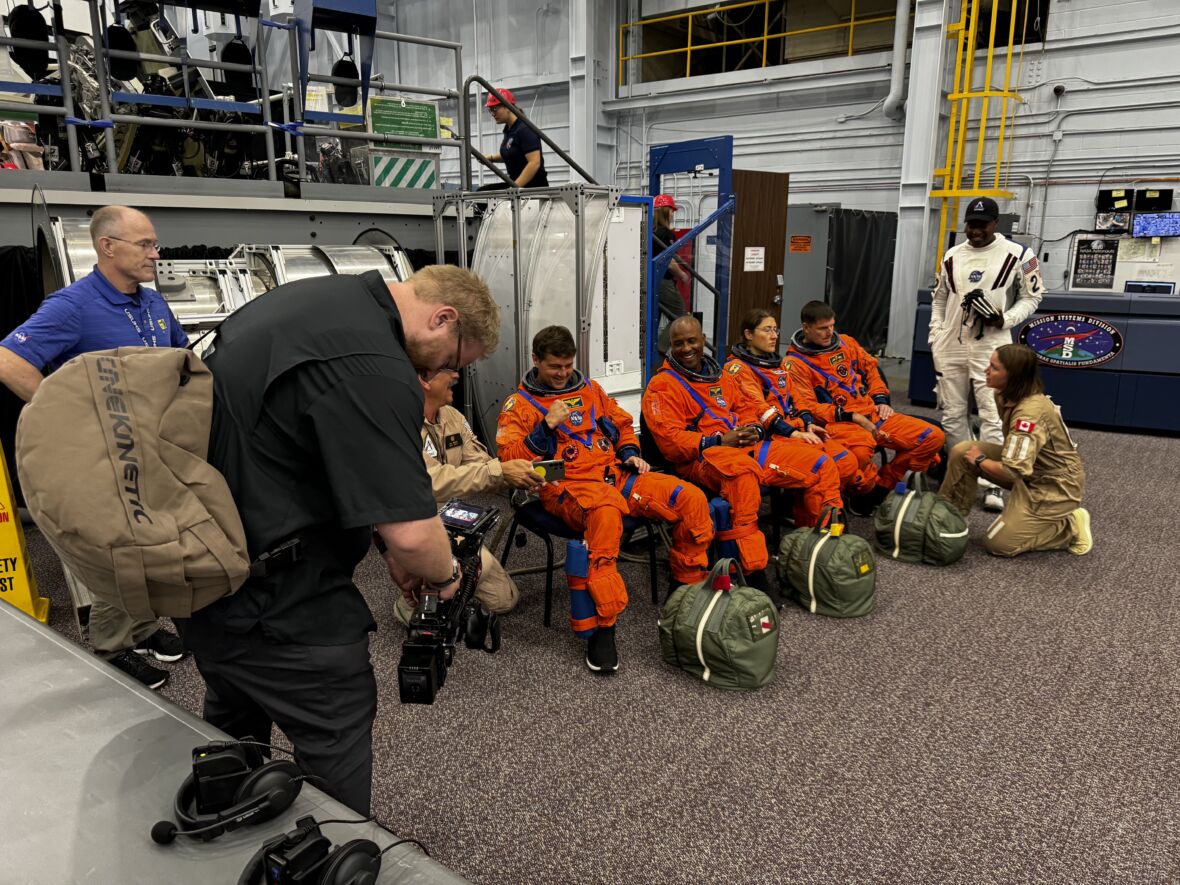
- Artemis 2 Training
-
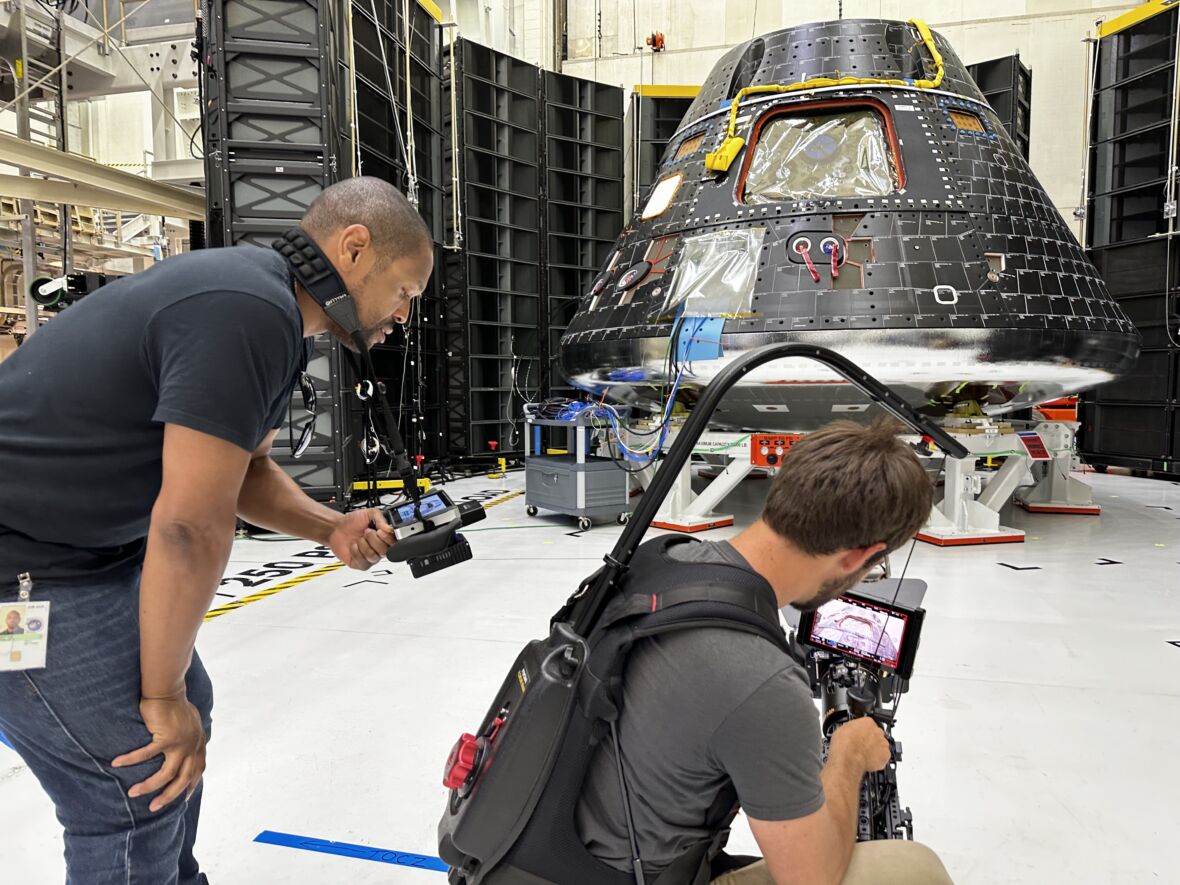
- Artemis 2 Orion Spacecraft
-

- Artemis Filming

-
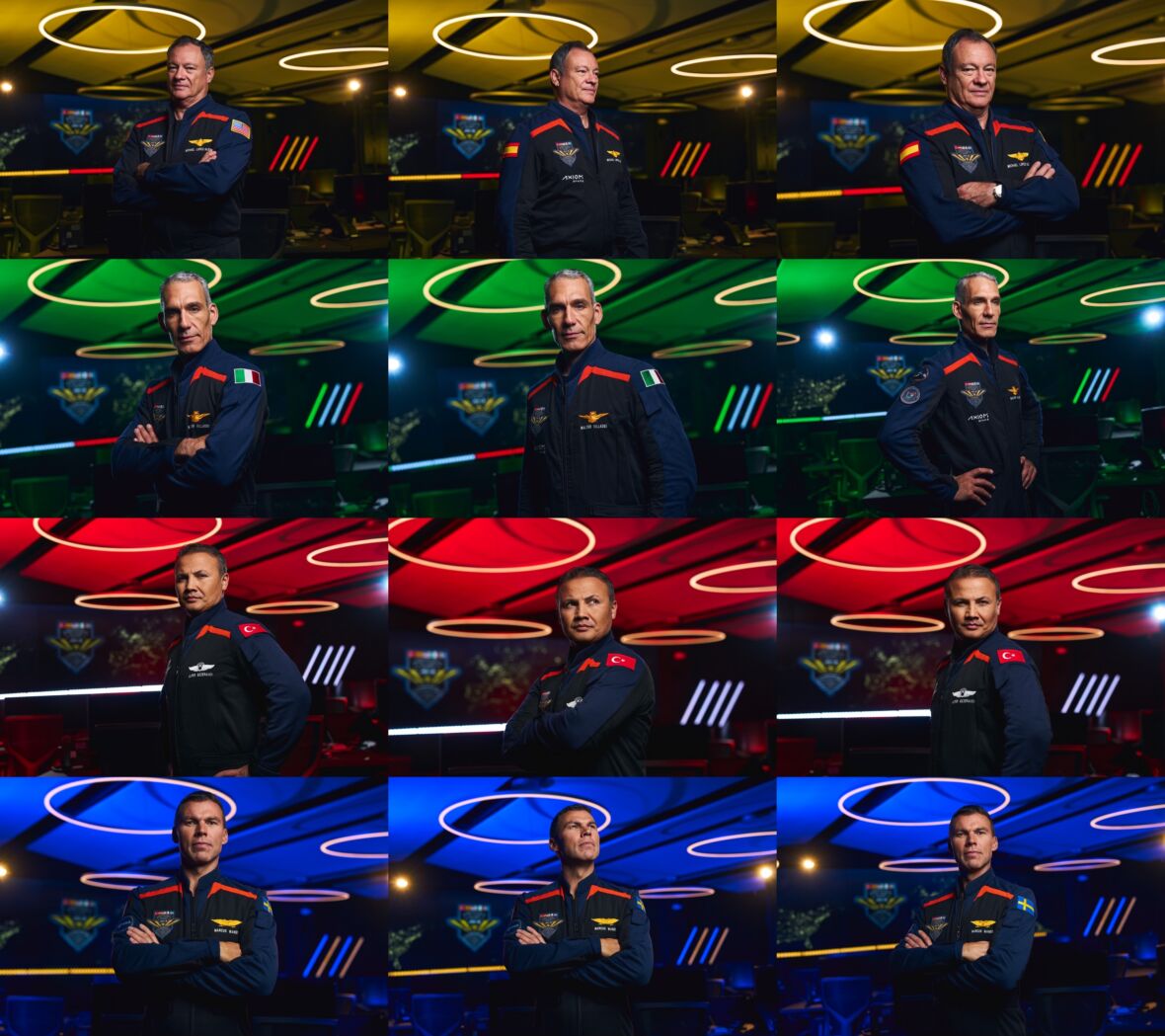
- Axiom 2 Crew Portraits

-
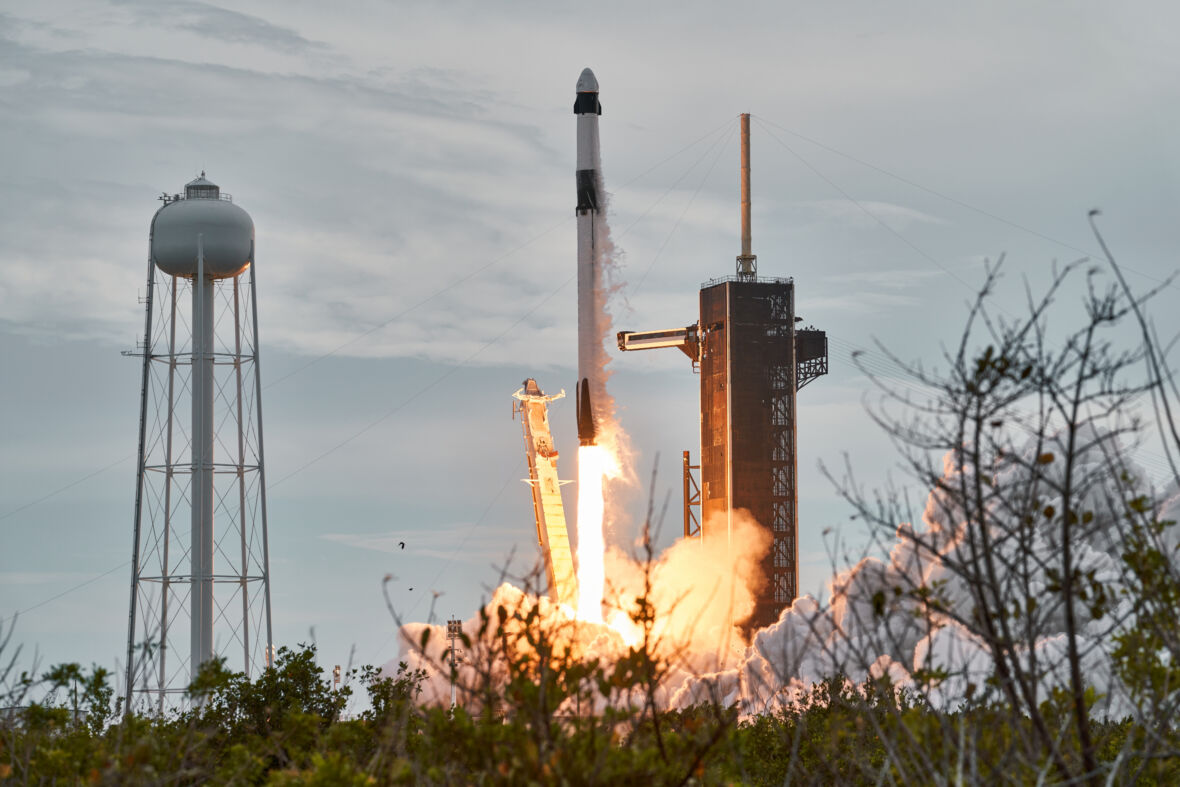
- Axiom 2 Launch
-

- Axiom 3 Crew Interviews
-

- Axiom 4 Pinning Ceremony

-

- Axiom 4 Crew Photo Day
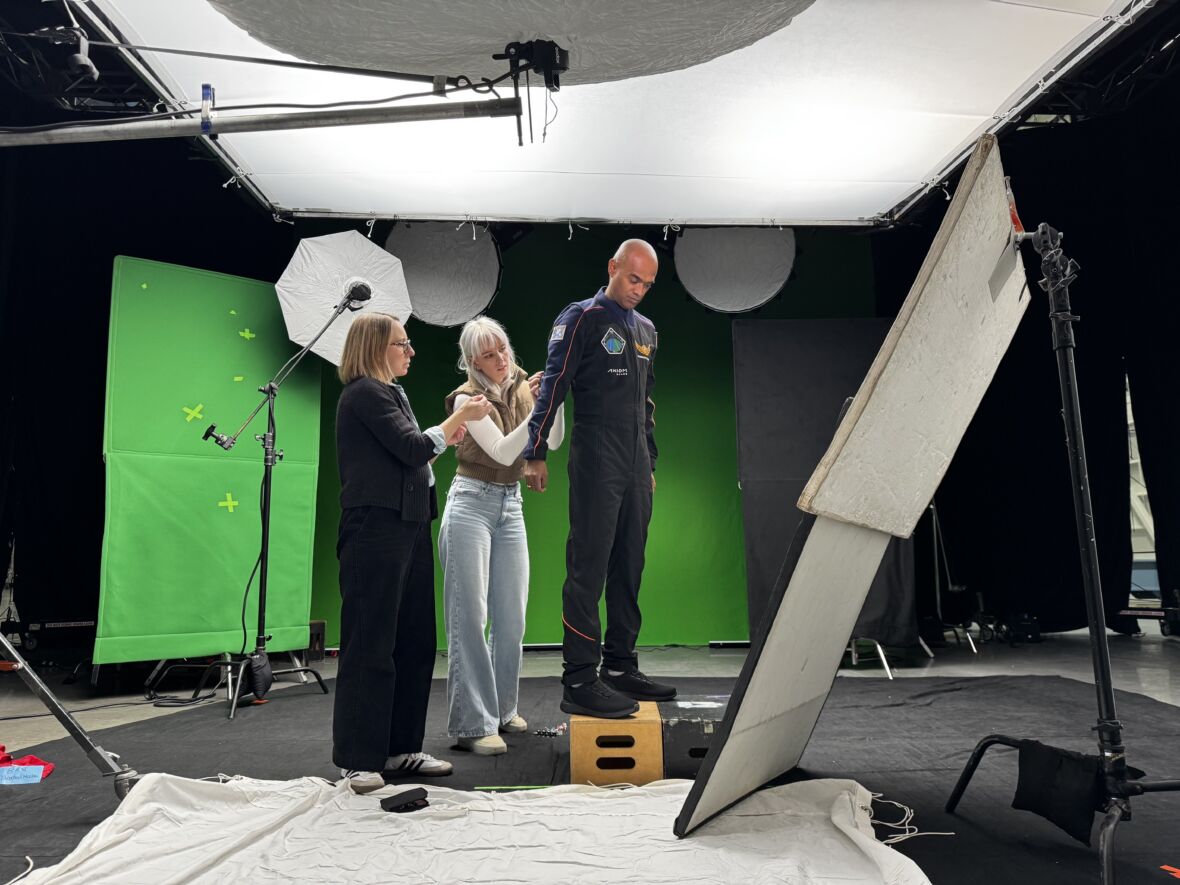
-
- Axiom 4 Press Conference
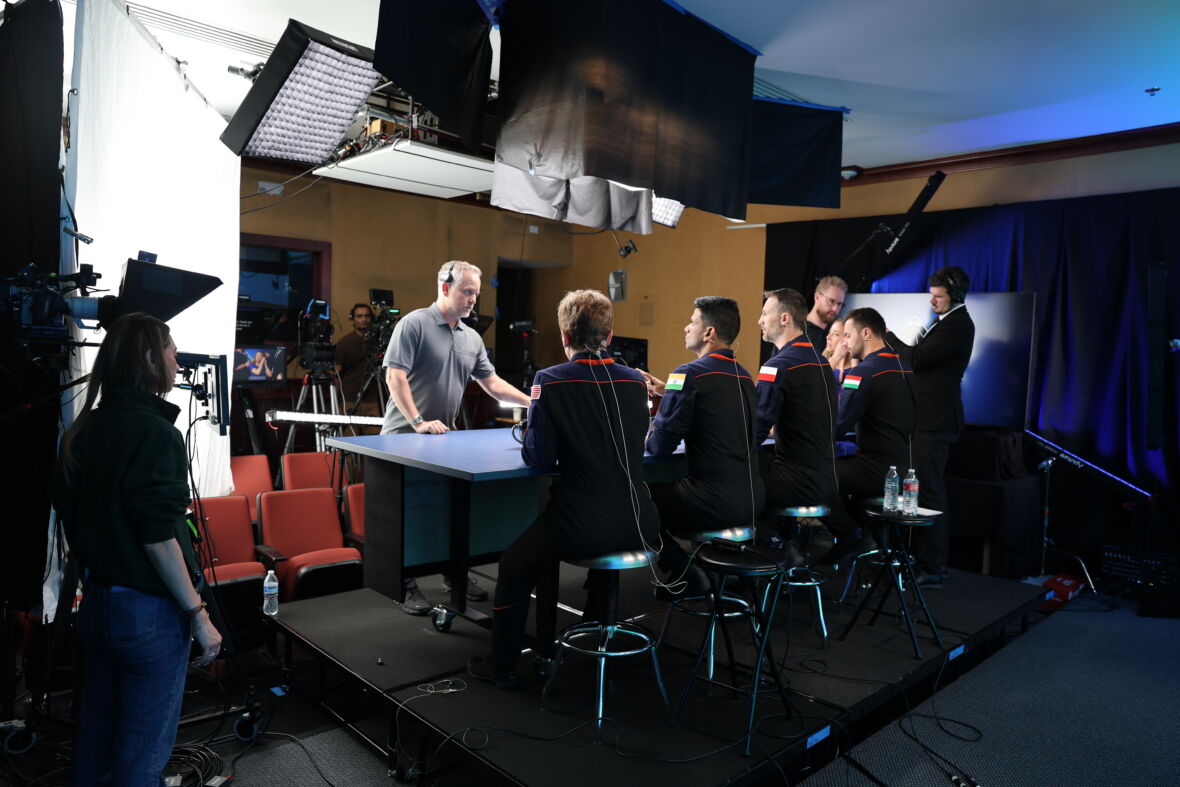
-
- On Orbit Live Axiom 4

-
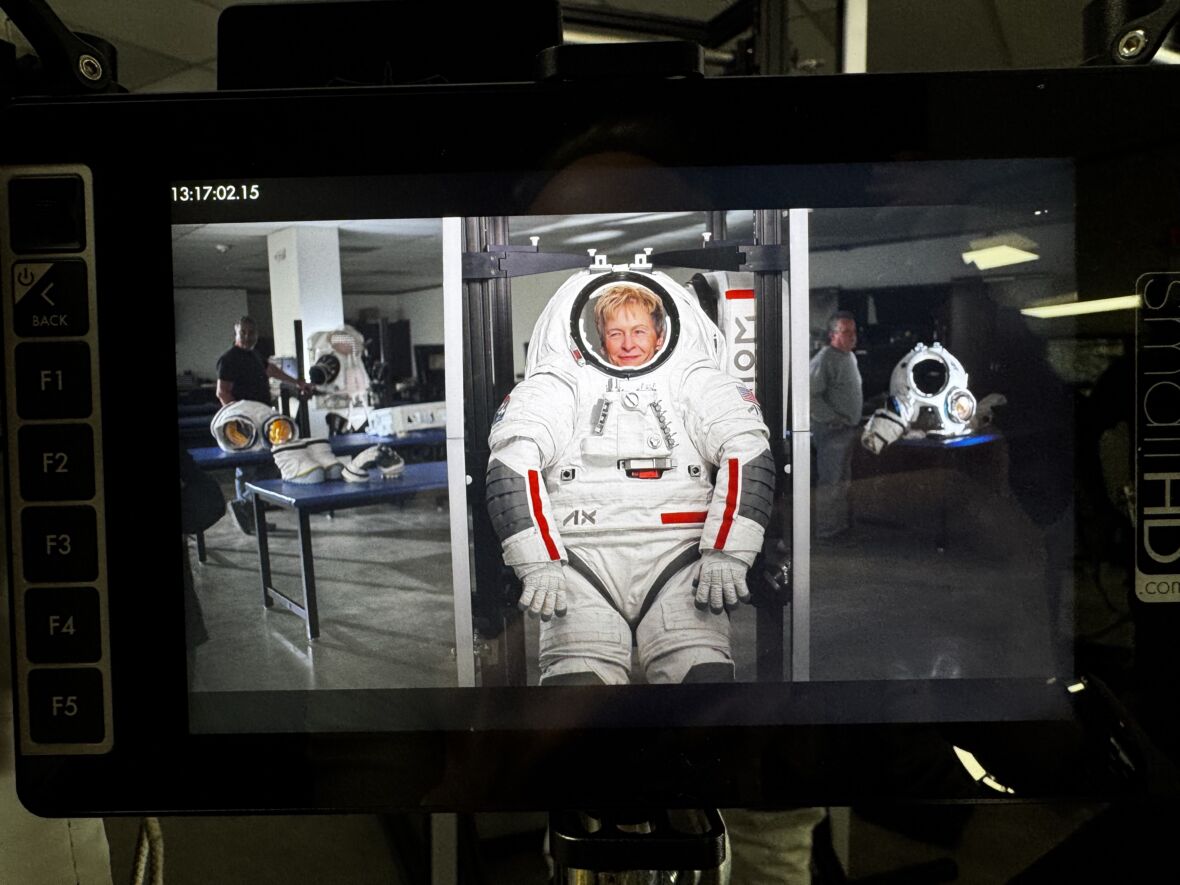
- Axiom Lunar Suit
-
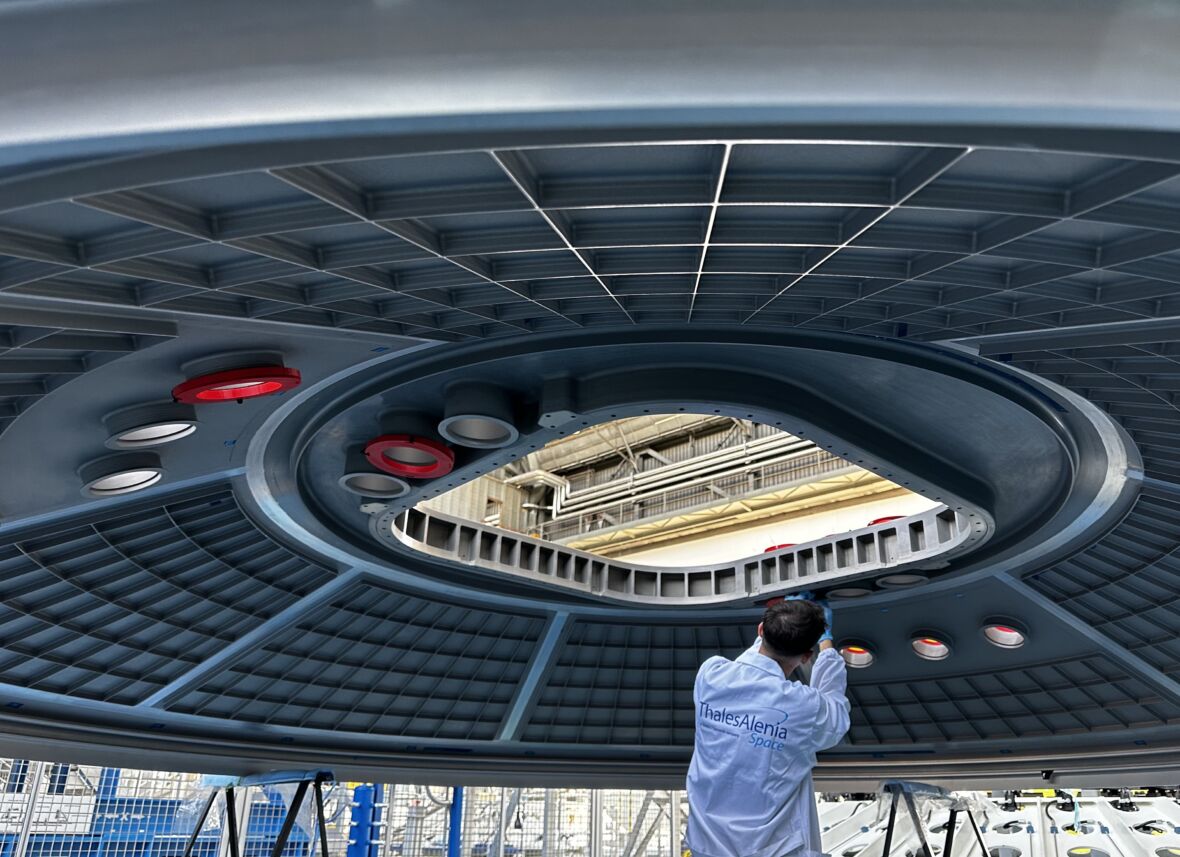
- Axiom Station Italy
-
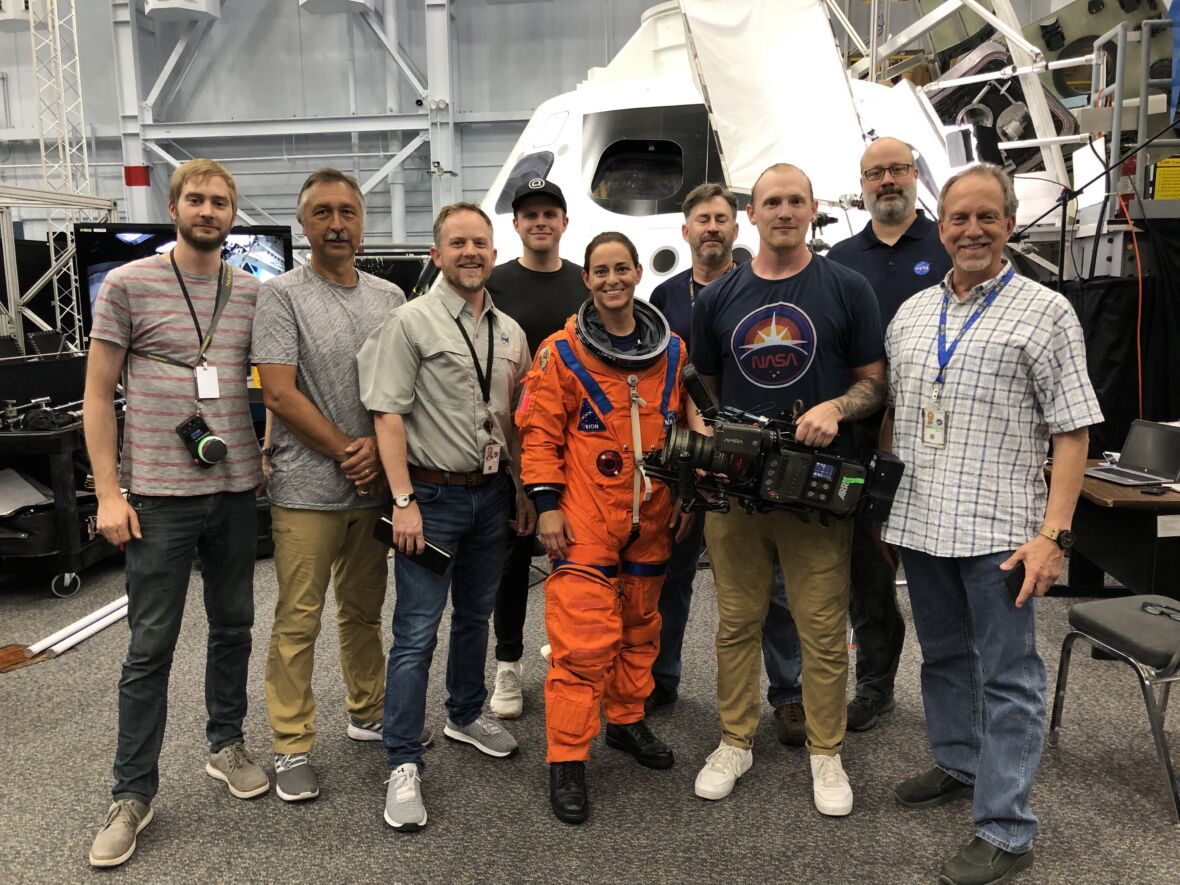
- Crew with Nicole Mann
-
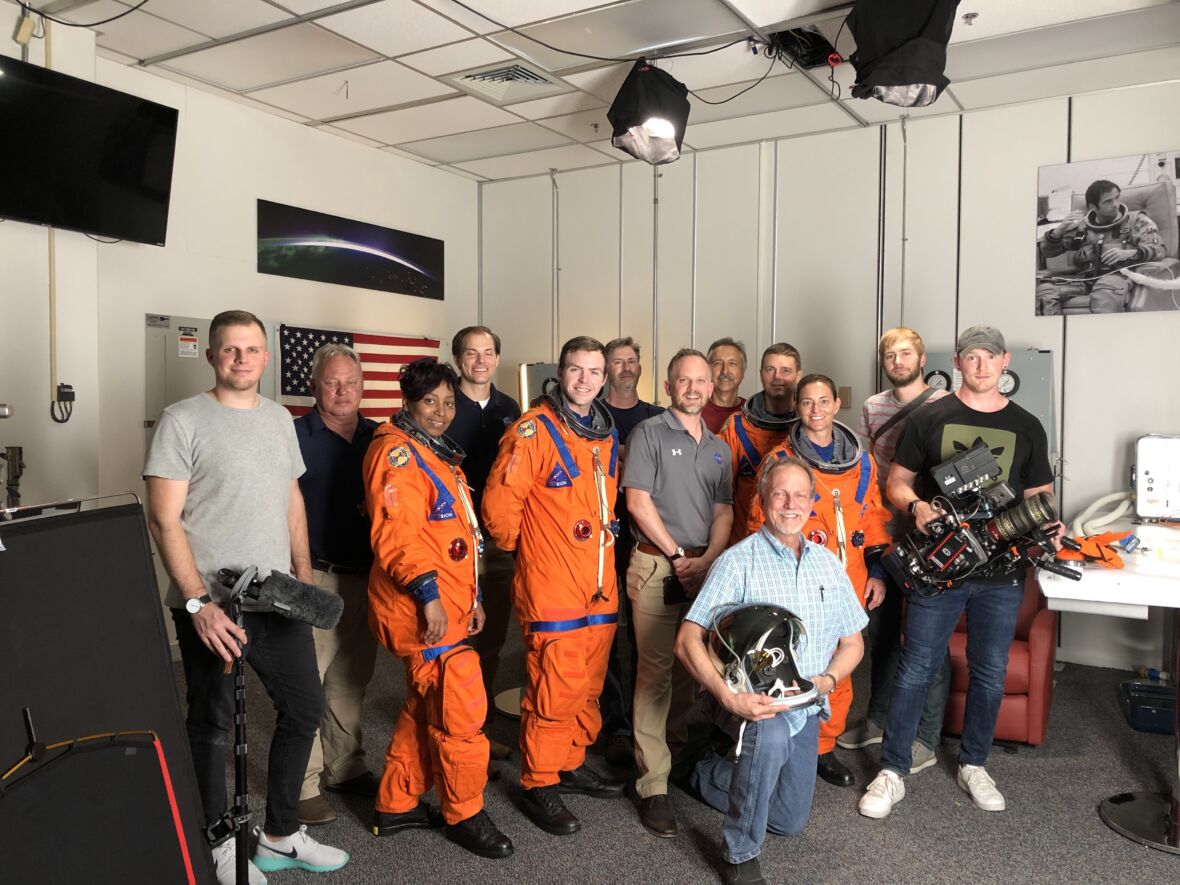
- Kennedy Space Center Suit Up Room
-

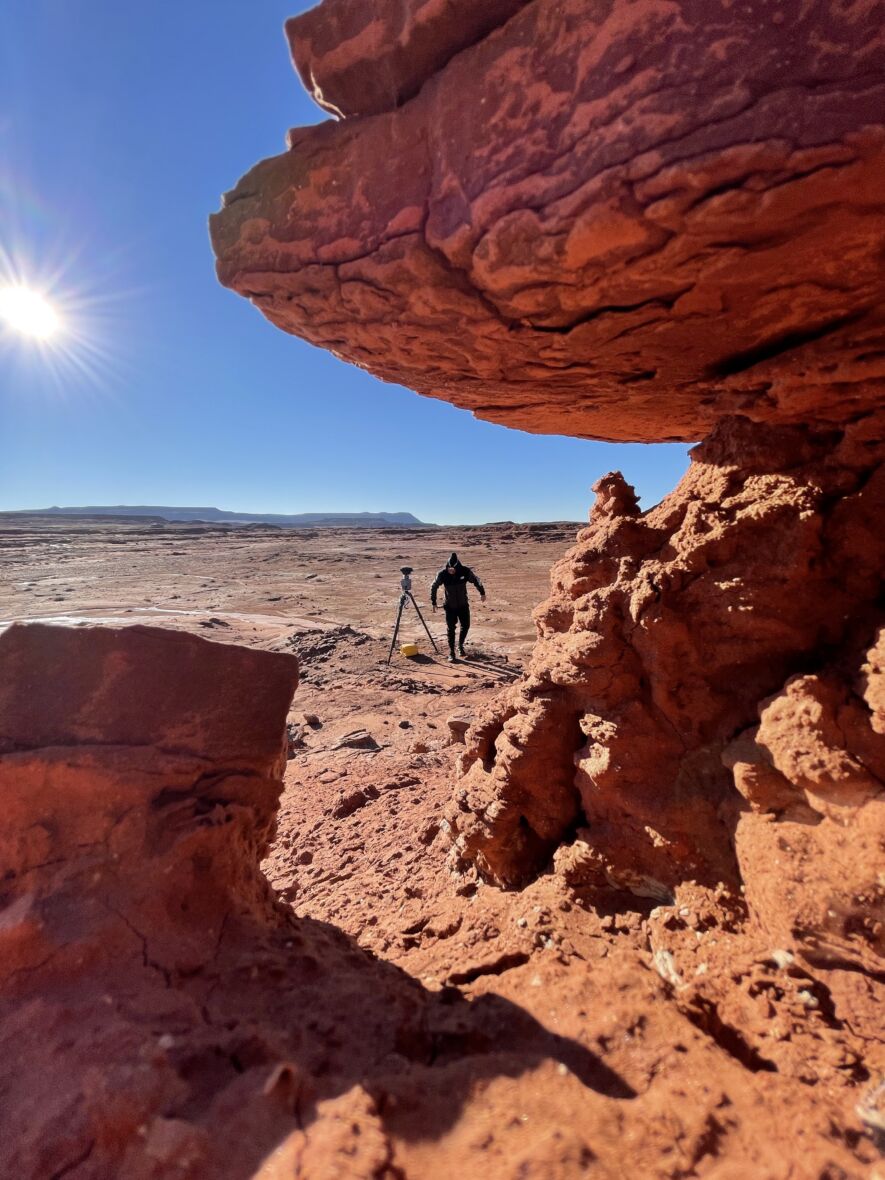
- Mars Analog
-
- Lunar Analog

-

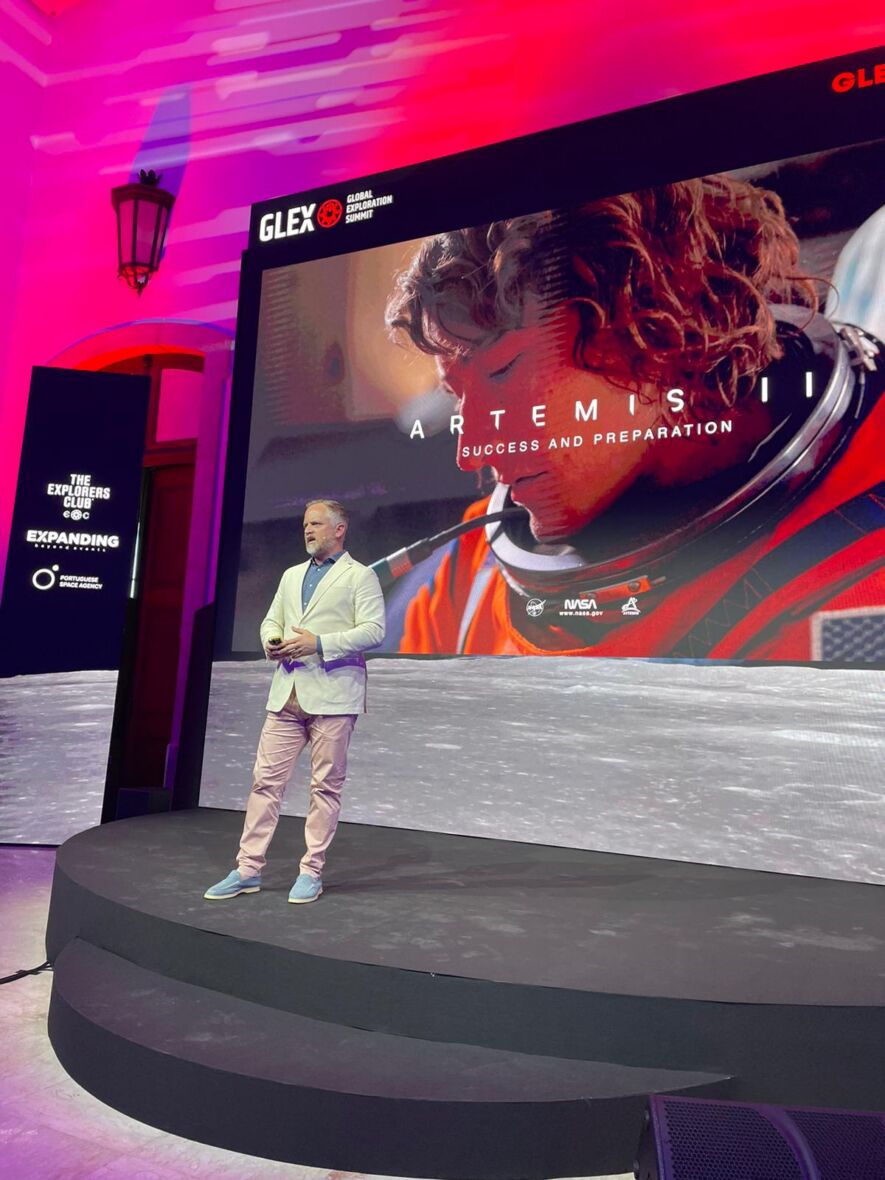
- Speaking in Porto
-
- Launch America Desk

How did you become interested in a career as a strategic space storyteller?
Human spaceflight is a field that has fascinated me since I was a child. I recall choosing to do school reports on Alan Shepard, John Glenn, and Neil Armstrong. Their adventures were the stuff of science fiction and imagining stories like theirs would keep me up at night. Growing up in a small town in North Carolina, there were no avenues into the field of spaceflight and so for a large portion of my life, space felt like a distant dream for other people to pursue. Shortly after I graduated high school I moved to Tulsa, Oklahoma, and for the next twenty years I focused on story craft in the form of commercials and short-form content. I didn’t realize it then, but I was fine-tuning my talents and stringing together experiences that would ultimately connect in a way that would open a door to NASA. In 2018 I was asked by then-NASA administrator Jim Bridenstine to join his staff in Washington, DC, to help tell the story of human spaceflight. Suddenly I had a front row seat to the decisions that would define this generation’s ambitions off-planet. . . . From NASA’s SpaceX Demo-2 mission and the first Boeing Orbital Flight Test to uniting the various efforts aimed at the Moon into a singular ambition: Artemis. My role has been to help the magicians of math, science, and engineering to synthesize their efforts into formats that allow the uninitiated to follow along. Today, my company Vytal Space is a creative boutique built to do just this for the growing commercial space industry. Over the last few years, we’ve had the honor of helping to tell the story of private astronauts reaching the International Space Station, showcasing the development of critical flight hardware, and documenting the journey of four friends who recently lapped the Moon and returned successfully.
What is your average workday like?
Define average. :)—In the world of consulting and project-based efforts, while I tend to string days together around a specific effort, every month tends to bring a unique set of requests and so it gets interesting trying to describe a consistent schedule. That said, the skills I rely on in a given day include managing and developing relationships with customers and our team, writing proposals and scripts, and listening to what the industry is saying. I learned a long time ago creating stories that are cool may make for a great demo reel but stories that help move a needle for a specific and strategic purpose is where real value is generated. To answer this more specifically, my days swing between helping clients determine the narrative that will benefit their goals and then actively creating marketing and communications pieces.
Why do you think it is important to create a narrative around missions to low Earth orbit, the Moon, and Mars?
I think the work that is being done and will be done off-planet, in terms of technological advancements, medical research, and improved understanding of our universe, have, do, and will create practical benefits for all of us here on Earth. So, I believe the work “up there” matters. The challenge is that much of that work is done out of sight and oftentimes by the leading experts of very “heady” fields and so it often requires a step of filtering that narrative into a vernacular that is approachable and inspiring. I believe this is critical for historical accuracy but also to strategically align interests here and now in ways that elicit appropriate funding levels and invite the next generation to see how they too can contribute. More than any field I am aware of, spaceflight is a team sport. The role we serve in helping tell the story is a critical sliver of the whole endeavor.
How do you think space journeys differ from other types of exploration?
I think human spaceflight is actually very similar to other types of exploration, it’s just one that is easier to describe in absurd terms. I often hear others equate life aboard the International Space Station to working in a laboratory in Antarctica or time in a spacecraft to that of being on a boat or submarine. There’s a lot of nautical, aeronautical, and scientific research similarities that overlap efforts of exploration on Earth with spaceflight missions. Naturally the biggest differences for journeys off-planet come with the costs of launch, the limited number of opportunities for fieldwork, and the significant size of the ground support required to succeed. But more practically speaking the reason to be in low Earth orbit is microgravity. While we can simulate this effect in short bursts on parabola flights or drop tests on Earth we are just learning how to harness the unique physics in play for industrial or medical benefits. And while there is a real return on investment to be sought in space, the kid in me is also struck by the universal awe of simply going where we’ve never been before . . . doing something that’s never been done.
What do you think are some of the characteristics that astronauts must possess in order to succeed in their missions?
Every astronaut will tell you, human spaceflight is a team sport. So quite often the characteristics that lead to a healthy team dynamic are what will define success. While it is accurate to say, individually, astronauts must be immensely confident and capable in a wide variety of disciplines. They must be avid learners and problem solvers. They often possess a sense of adventure and exploration even when they are not wearing the “blue suit.” But these are all the baseline requirements. From my vantage point, the single most critical characteristic, and I see it sought after in every new astronaut selection class, is the ability to play well with others. It’s not just a matter of trust. It’s more human than that. It’s the ability to genuinely support, nurture, and enjoy each other that builds a team that can thrive in any situation.
What sets NASA apart from the space programs of countries like China, Russia, and India?
China, Russia, and India each have a robust history of spaceflight. In the United States, our history lessons typically highlight the space race of the 1950s and 1960s between the US and the Soviet Union. What can get overlooked is the myriad of achievements well before then in China that led to many of the foundational principles of rocketry. Separately, when the Americans and the Soviets were trading headlines in the sprint to the Moon, India was quietly developing their own national space capabilities. Today each of these nations has a robust space economy with ambitions to put humans on the Moon and eventually Mars. But to your question, the thing that sets NASA apart from other countries’ space programs are fundamentally two things. The first is transparency. No other space program is more transparent about their ambitions, openly discusses the challenges faced, or freely disperses the lessons learned from their efforts as NASA. The second is a steadfast commitment to the peaceful exploration and study of our universe. Where other countries embed military objectives and operations into their space programs, the United States has separated this into distinct programs. While there are members of the military who serve as astronauts at NASA, they do so on loan so to speak, fully removed from any military orders. And as an aside, we can debate the dilemmas created by extending Earth-based conflicts to space (and we should!) but the reality is our society is already intertwined with capabilities in orbit. Our daily lives depend on an uninterrupted system thousands of miles above us and there is an ever-growing need to ensure it is protected.
How does your company, Vytal Space, support commercial spaceflight projects?
Vytal Space was born out of an awareness that the commercial spaceflight industry is growing, and there are companies and missions that will benefit from timely curated narratives. Our services tend to fall into two buckets. The first is that of strategic consulting. In this scenario we come alongside founders or marketing and communications directors and help line out their objectives. The second bucket is the development of those storylines. Sometimes that looks like traditional production and postproduction efforts in the creation of media, or it can look like an event or broadcast, such as a press conference or live feed of a mission in progress. In other cases, it’s photography campaigns, speech writing, and slide deck development. Sometimes it’s simply helping to line out processes and best practices for staff creatives to level up their internal efforts. At the end of the day our customers are spaceflight industry leaders who need either turnkey or supplemental support for mission critical or high visibility moments. We start by listening and build accordingly.
What upcoming space missions are you most excited about?
The most exciting space mission is always the next one. Earning the trust to be invited to help shape each unique mission is an honor. For Vytal Space we are very much looking forward to Artemis III and Axiom Space’s fifth private astronaut mission, Ax-5, to the International Space Station. But to answer this as a kid, one who grew up wondering if there would ever be a day where I would be able to look up at the Moon and know that there were humans walking on it at that very moment, I am excited about the Artemis IV mission as it is currently proposed.
What are some of the biggest challenges facing astronauts today?
We are currently in an era of opportunity and access to space unlike ever before. One could even argue that there is more activity today in human spaceflight than in the space race of the 1960s. By that I mean, there are more rockets in play, more destinations in development, and more channels through which to participate than at any other point! And it’s growing. As a result, I would argue the biggest challenge facing traditional astronauts, meaning those who are nationally sponsored full-time professionals trained for spaceflight, is that there are more systems to be understood and more scenarios to be ready for than at any other period. And while I’m labeling that as a challenge to answer your question, I would argue that it’s also the greatest source of fulfillment and joy for those who work beyond our planet! Here we are sixty-five years on from Yuri Gagarin’s first human flight to space and we’re seeing a myriad of firsts across the industry. In fact, what it means to be an astronaut is evolving, growing, and being shaped by opportunities that didn’t exist even five to ten years ago. The biggest challenge for me in answering you succinctly might be in trying to properly and authentically define what an astronaut is today.
Do you have any predictions for what spaceflight might look like one hundred years from now?
This is a fun thought. Practically speaking I think the endeavors in space over the next hundred years will be shaped by developing more powerful and efficient engines that can get us farther faster. I think our path will also be guided by the pursuit of water in our solar system. Similar to how our civilizations here on Earth have been built around water sources, I believe our ventures out into the Cosmos will thrive where there are useful and abundant resources. But more generally speaking, I would hope that in a hundred years spaceflight looks more like the commercial airline industry of today. In that there would be destinations in low Earth orbit, geostationary orbit, at various Lagrange points, as well as on the Moon and Mars that industry and individuals can traverse to and from as efficiently as we buy a ticket and board a plane today. As absurd as all that may sound, one should remember just how far we’ve come in the last hundred years. To think that the time between proving heavier than air flight was possible by the Wright brothers in December 1903 to Neil Armstrong and Buzz Aldrin walking on the Moon in July 1969 was just sixty-six years! I suspect the reality of spaceflight one hundred years from now looks like science fiction today.